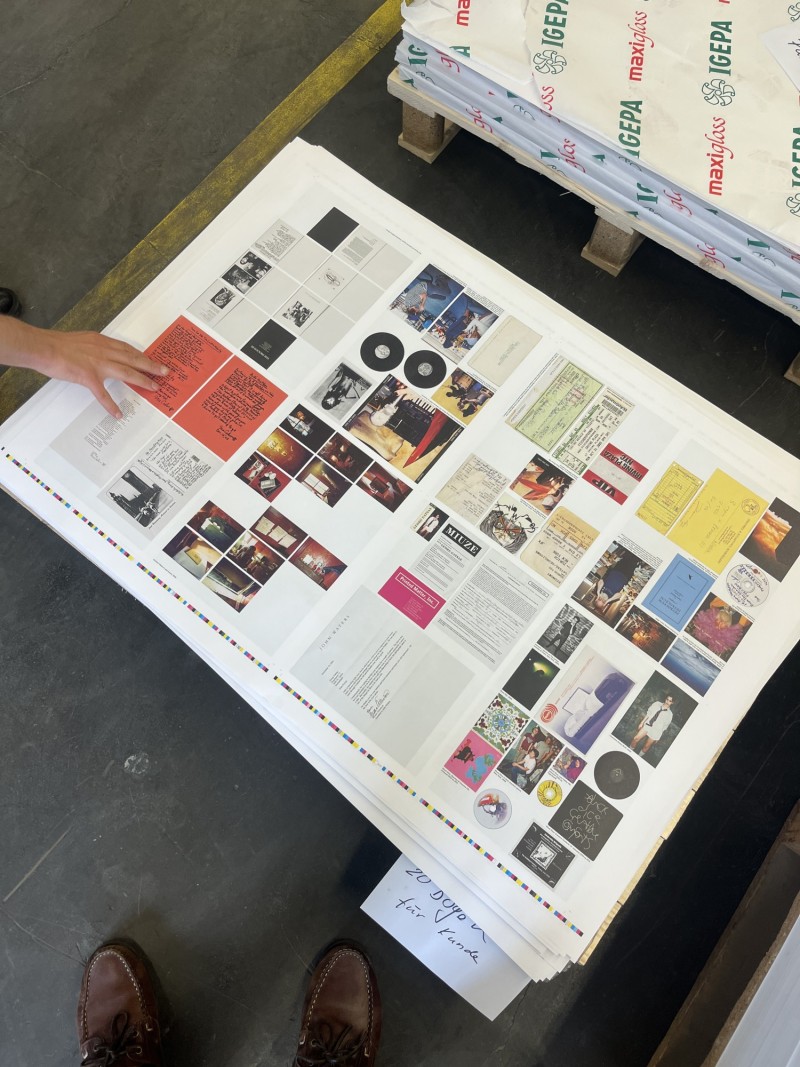
The Process brings together Georg Gatsas’s early photographs—taken between 2002 and 2007 in New York’s underground music and art scenes—alongside a curated selection of materials from his personal archive: record covers, garments, letters, and various ephemera.
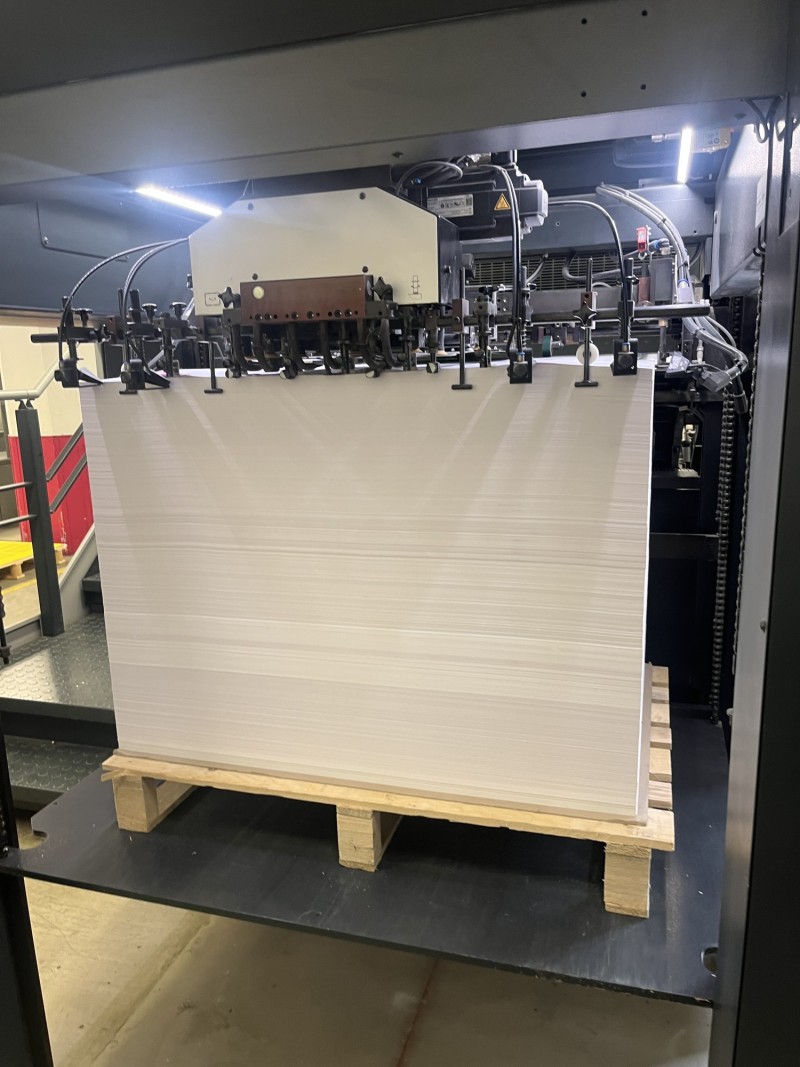
These objects are printed on the inside of each double spread, using a historical binding technique that leaves the top edges uncut. To reveal these hidden elements, the reader must physically slice the pages open—a once-common gesture in book culture. Poet Stéphane Mallarmé described this act as a way of animating the book, of transforming a passive object into something activated by the reader’s hand.
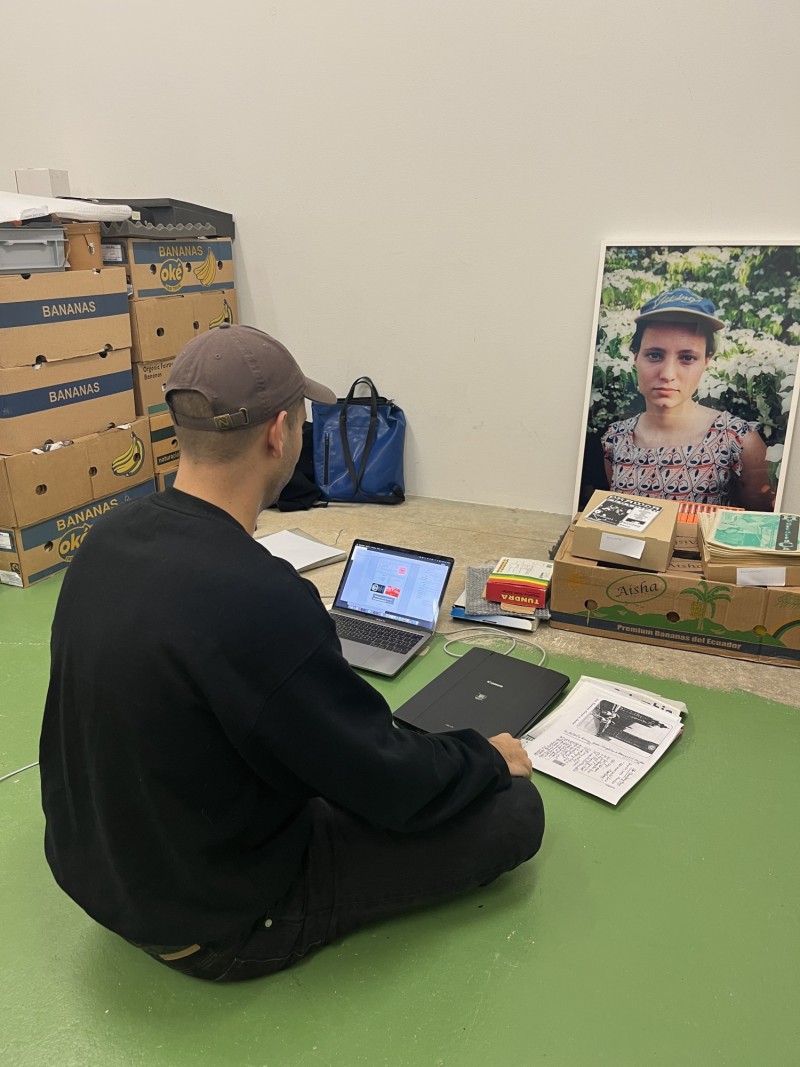
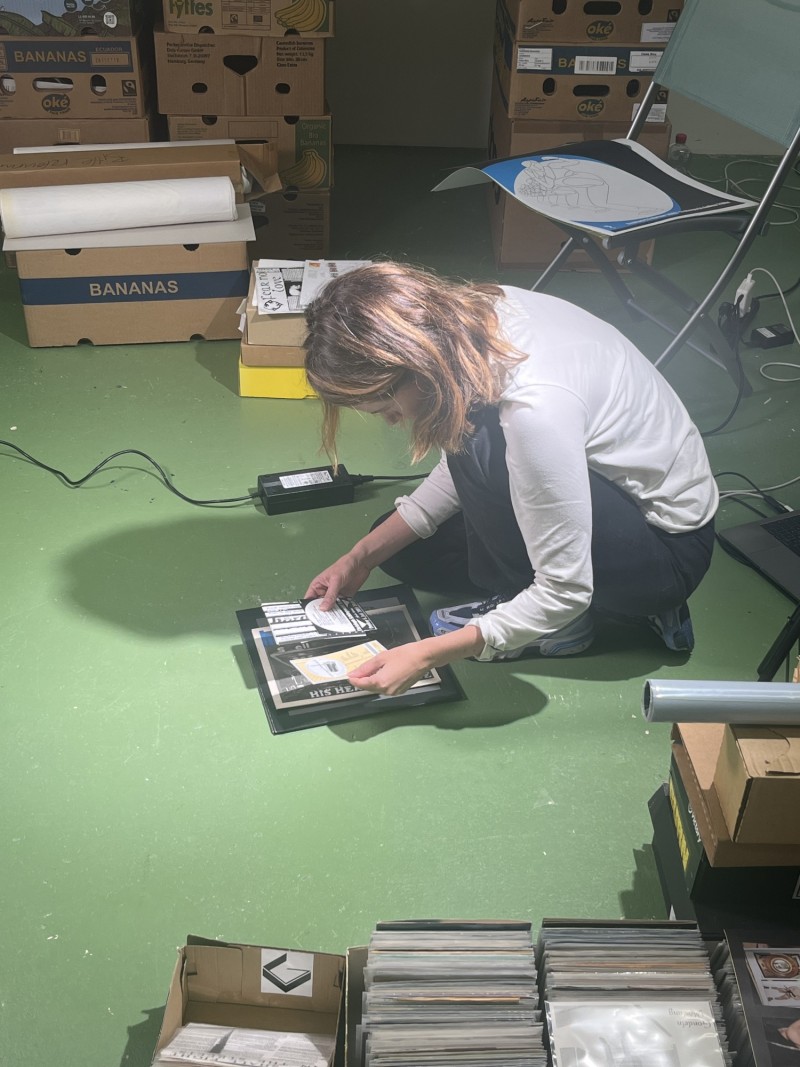
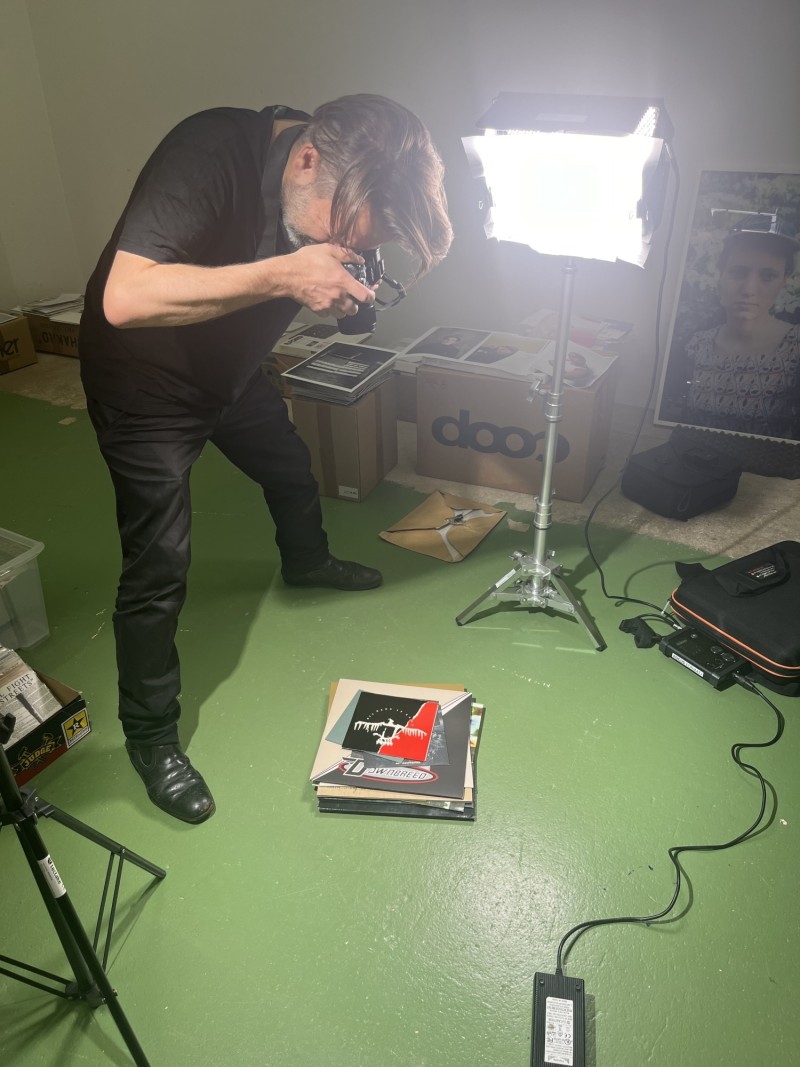
Our starting point for this project was a return to Georg’s formative years in New York. In 2002, he left Switzerland in his early twenties and landed in the city, where he first lived with the poet Ira Cohen. While supporting himself as a waiter, Georg immersed himself in the city’s cultural underground—capturing it through his lens and collecting the physical remnants of the scenes he inhabited. What began as documentation evolved into a living archive, both visual and material.
We quickly realized that this shouldn’t become just a photobook, but rather one that tells two stories at once: first, a chronology of Georg’s experiences living in New York, conveyed through the ephemera and photographs he collected and created at the time; and second, a curated selection of his best photographic works, which trace the development of his distinctive visual style during those years.
In designing the book, we wanted the photographs to be experienced as more than mere records of a specific time and place. Presented at a large scale, the images are given space to breathe—to exist as autonomous works with their own photographic language.
Alongside these two visual components is a third element: a text by Ethan Swan, which introduces Georg’s way of living and situates the work within its historical and cultural context.
As a group, we discussed two possible ways of arranging these three components within the book:
Inside/Out: The entire book would be printed on pages perforated along the top edge, leaving every second spread initially hidden. The selected photographs would appear on the outer sides of these pages, becoming the reader’s first point of discovery. The ephemera—revealed only once the pages are cut open—would occupy as much space as the photographs themselves.
Mirroring: The book would be divided into three distinct sections: 72 pages of selected photographs, 8 pages of text, and 72 pages of ephemera. By mirroring the number of pages front and back, we aimed to give equal attention to both visual components.
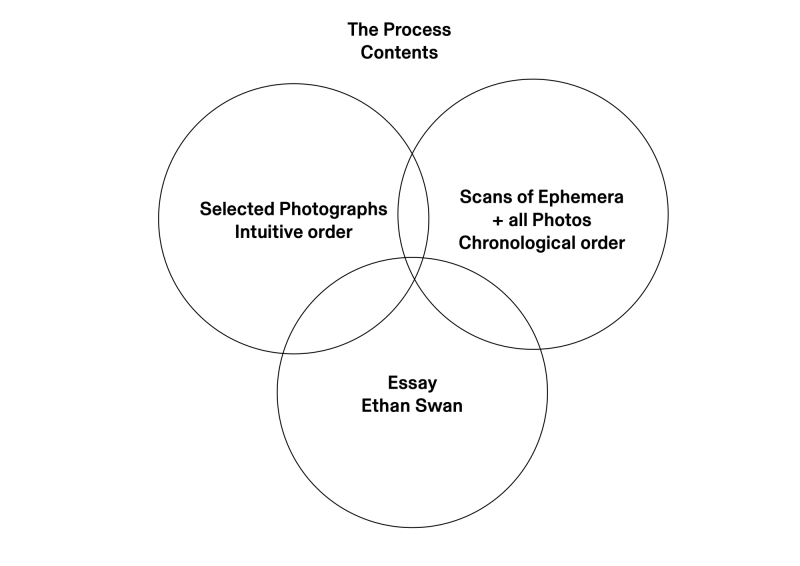
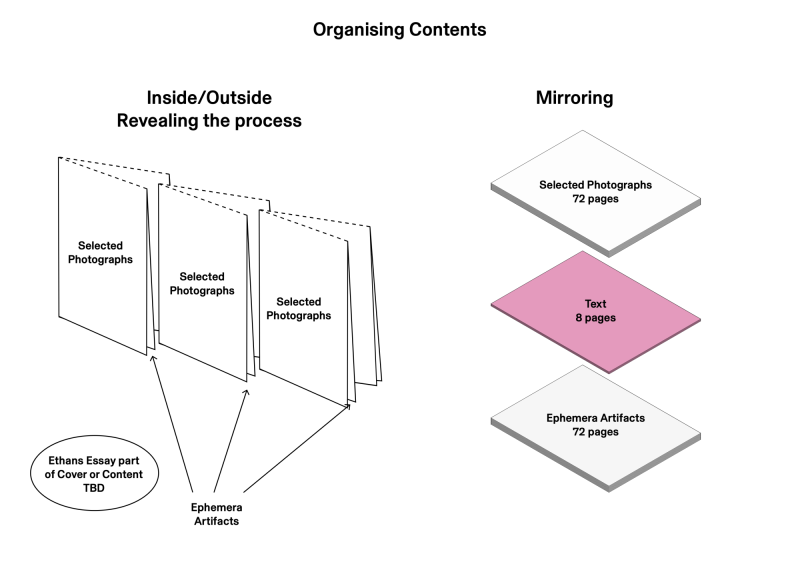
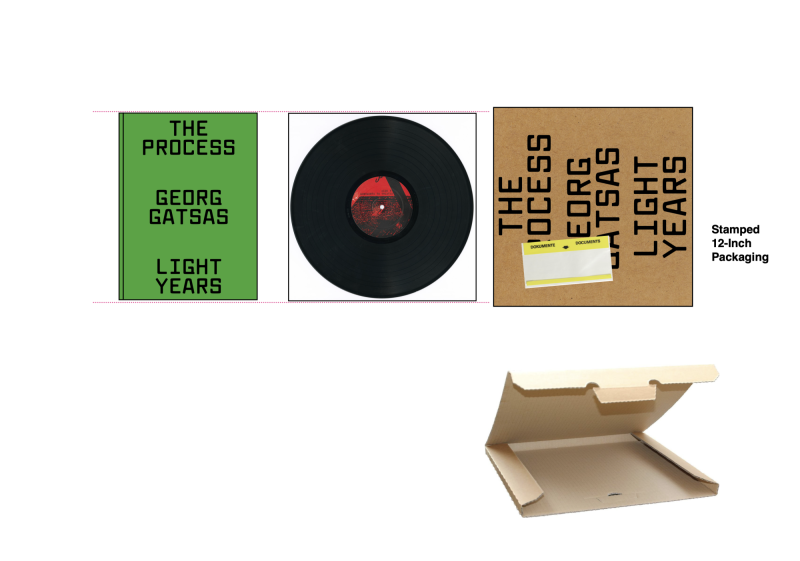
We ultimately chose the first version, as it felt more specific and fitting for Georg’s work. Given the title The Process, it seemed only right to produce a book that remains, in a sense, “in process” when opened. This tactile interaction became central to our concept. Each copy of The Process unfolds uniquely, depending on how—and when—the reader chooses to engage with it.
It leaves an open question: Is the book complete when you first receive it—or only once you’ve cut it open, page by page?